Theater 2007
The Fool
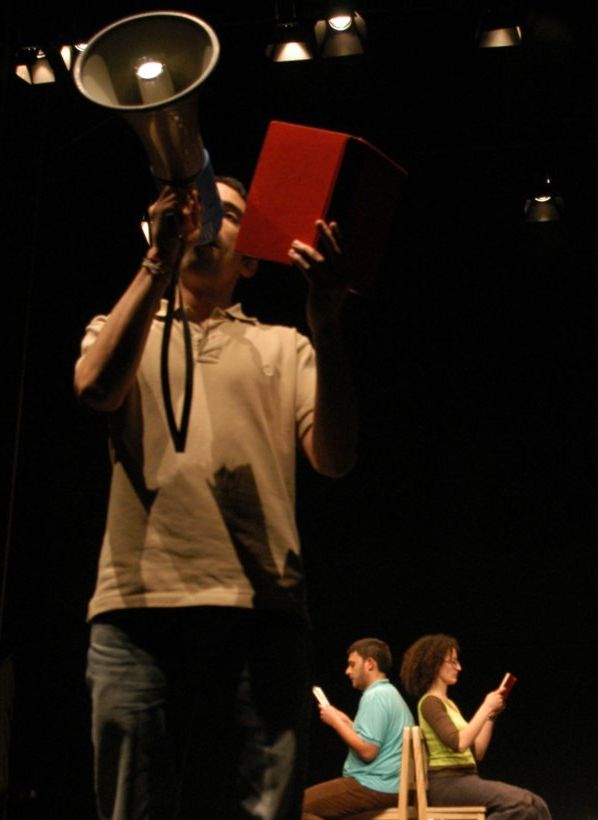
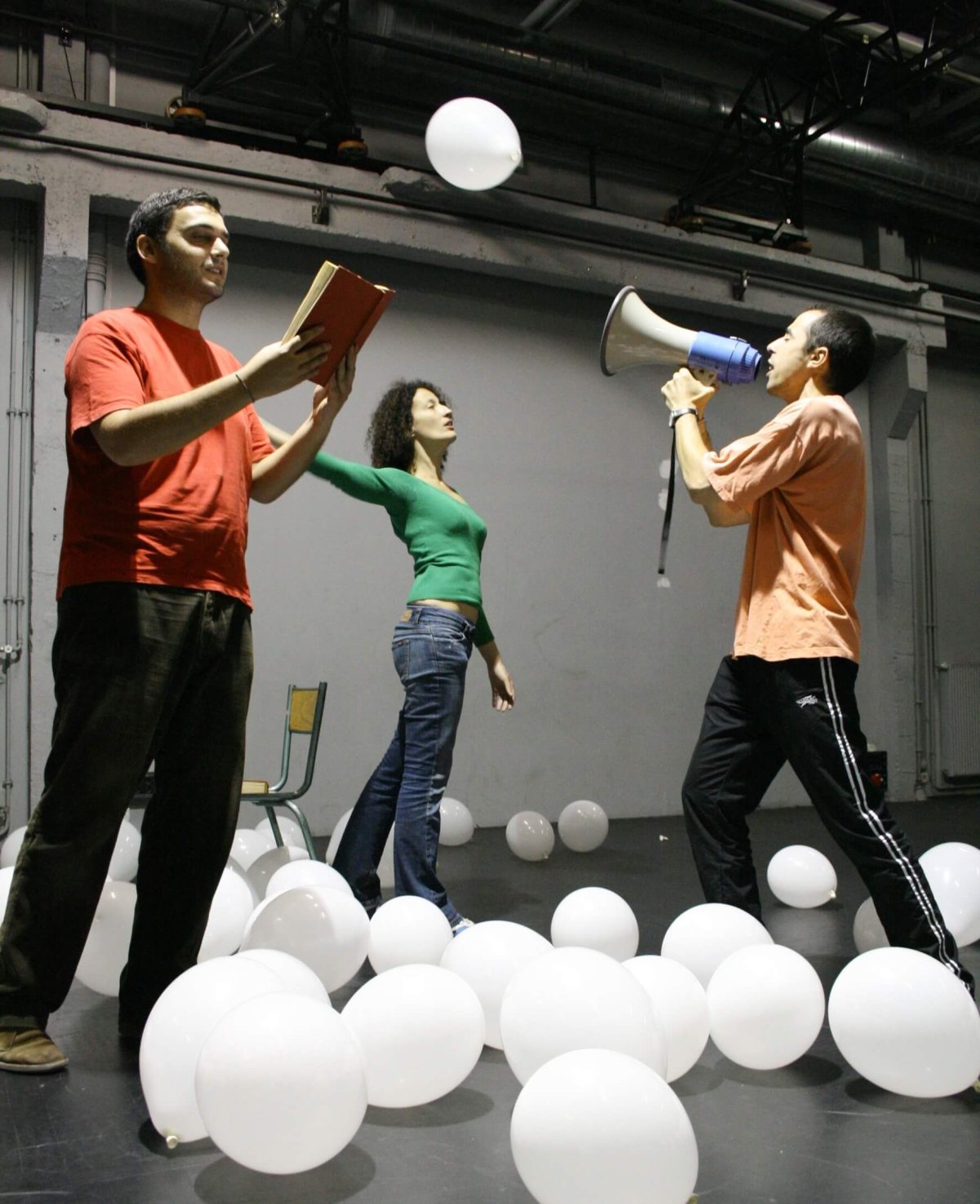
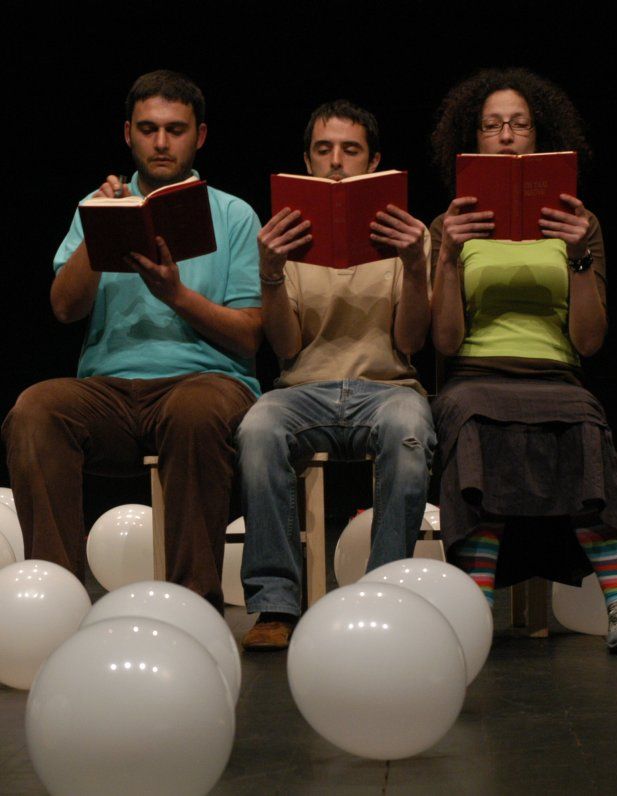
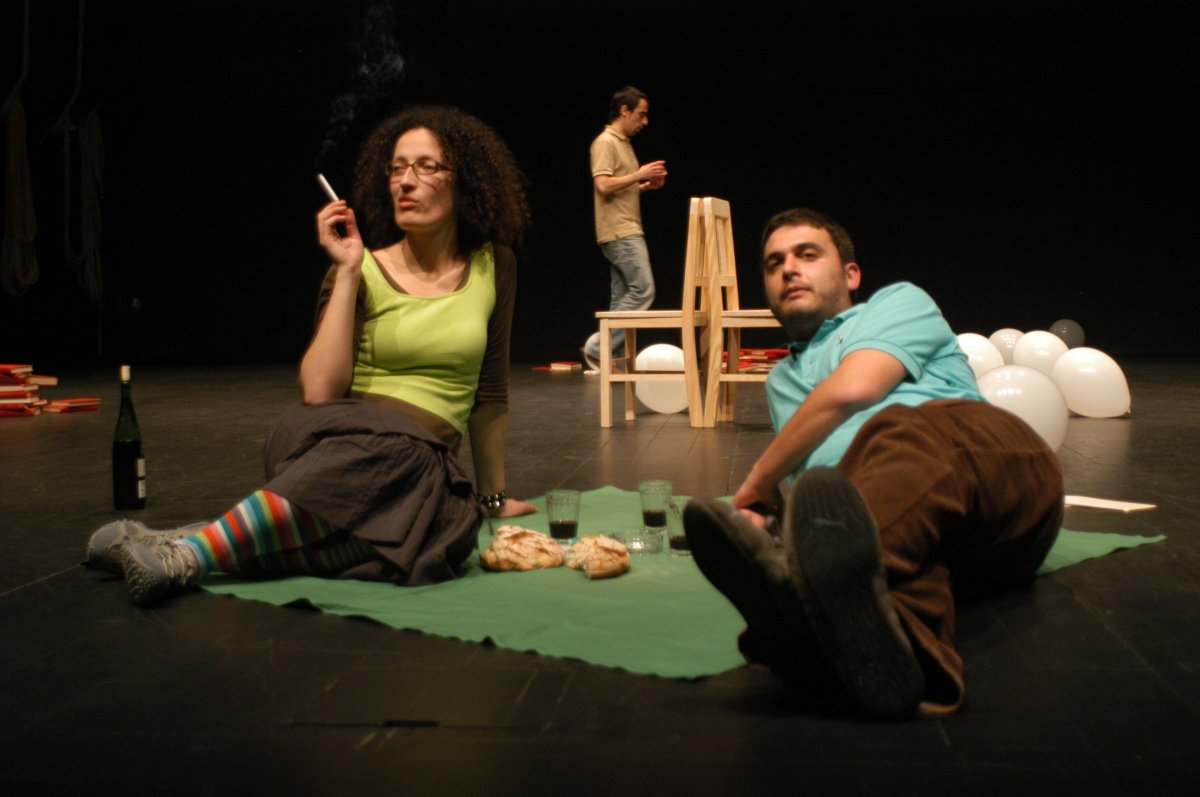
The Fool (O Bobo) was a theatre project developed in collaboration with João Sousa Cardoso and António Preto at the invitation of Les Laboratoires d’Aubervilliers; a platform for research and creation open to artistic practices from all fields.
The Fool takes its name from the book O Bobo written by Alexandre Herculano, one of the pioneers of modern history in Portugal. It was the introduction of the historical romance genre in Portugal; unifying fiction with documentary facts and combing them with historic pictures and epic narration. The book was first published in 1843, shortly after the civil war between progressive constitutionalists and authoritarian absolutists in Portugal over royal succession that lasted from 1828 to 1834. Herculano was active on the side of the progressives. O Bobo chronicles the political intrigues surrounding the establishment of the Portuguese state in 1125, creating a dialogue with Herculanoe’s present in order to point a path for the making of what could be considered contemporary Portuguese nation in the 19th century.
In 1987 filmmaker José Álvaro de Morais adapted the book into a movie he called The Jester. The plot of The Jester evolves on two levels: among the members of a Lisbon theatre group in 1978, four years after the Portuguese revolution, and among the characters in the play the group is staging. That play is O Bobo by Alexandre Herculano. Those events are echoed in the enveloping narrative in which the play’s director, Francisco Bernardes hopes to go to New York after the production, but only if his girlfriend, Rita Portugal, will accompany him. Just as Herculano did, Morais uses a historical situation to form a dialogue with and reflect on the present course of political events.
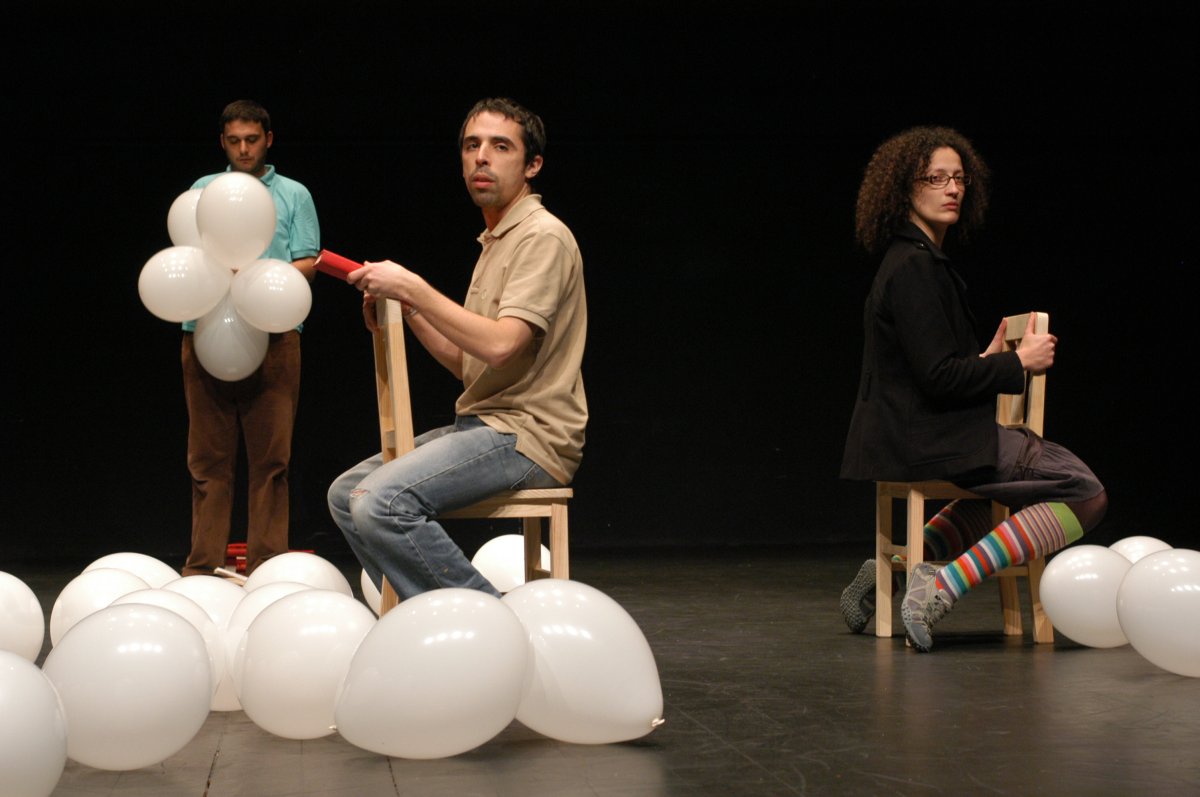
With their more contemporary adaptation of the book, the makers of The Fool proposed the hypothesis that Portugal had never fundamentally changed since the establishment of the state: not with the civil war, not with the revolution in 1974. By reflecting on their contemporary political, democratic ‘regime’ and its relationship with nationalism and liberalism, the makers demonstrated that the issues the contemporary Portuguese were facing were the same as ever and were, in their opinion, rooted in the same problem as ever: the lack of free speech in the public and political domain. In The Fool, Portugal was portrayed as a country of silence where the only individual capable of questioning institutional power and unraveling the connotations or meanings of words from the dominance of the political establishment, was the fool himself; a fictional character embedded in the cultural scene. Dramaturgically the makers made extensive use of the physical body, for instance by the use of a classical chorus, to underline their opinion that the intellectual constraints were on a par with the physical constraints, thus exploring the corporal and plastic properties of language.
Paris:
Lisboa:
Coimbra:
Porto:
Guimarães:
Guarda:
Fixação do texto, dramaturgia e interpretação:
Produção:
Apoios:
Agradecimentos:
La Générale - 17th of November 2006
Teatro Taborda - 4 a 7 de Janeiro de 2007
Teatro Académico de Gil Vicente - 11 e 12 de Janeiro de 2007
Estúdio Zero - 25, 26, 27 e 28 de Janeiro de 2007
Centro Cultural Vila Flor - 30 de Janeiro de 2007
Teatro Municipal da Guarda - 2 de Fevereiro de 2007
António Preto
Paes Leão
João Sousa Cardoso
Três Quatro Lente – Associação Cultural do Porto
Laboratoires d’Aubervilliers e La Générale (Paris)
Teatro da Garagem (Lisboa)
As Boas Raparigas (Porto)
Carla Miranda e As Boas Raparigas
José Manuel Esteves
Julien Saglio
Loïc Tousé
Loup Abramovici
Maria João Vicente e Teatro da Garagem
Régis Salado
