Community based project 2012
Museu da Crise at
Guimarães European Capital of Culture 2012
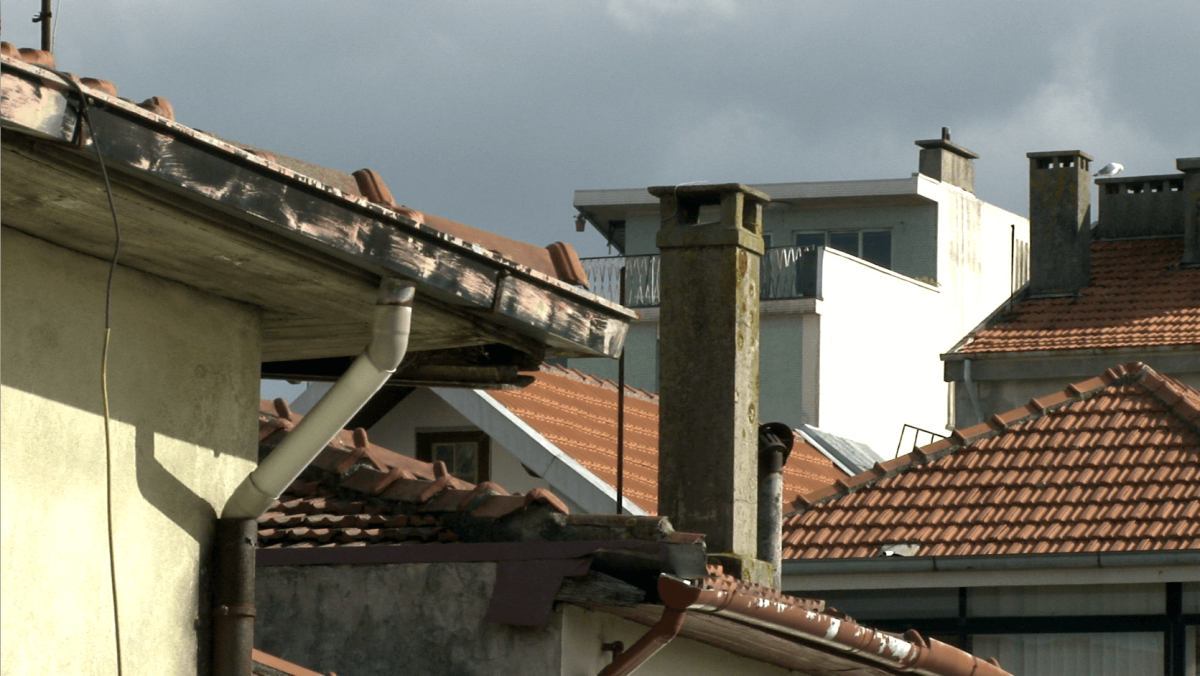
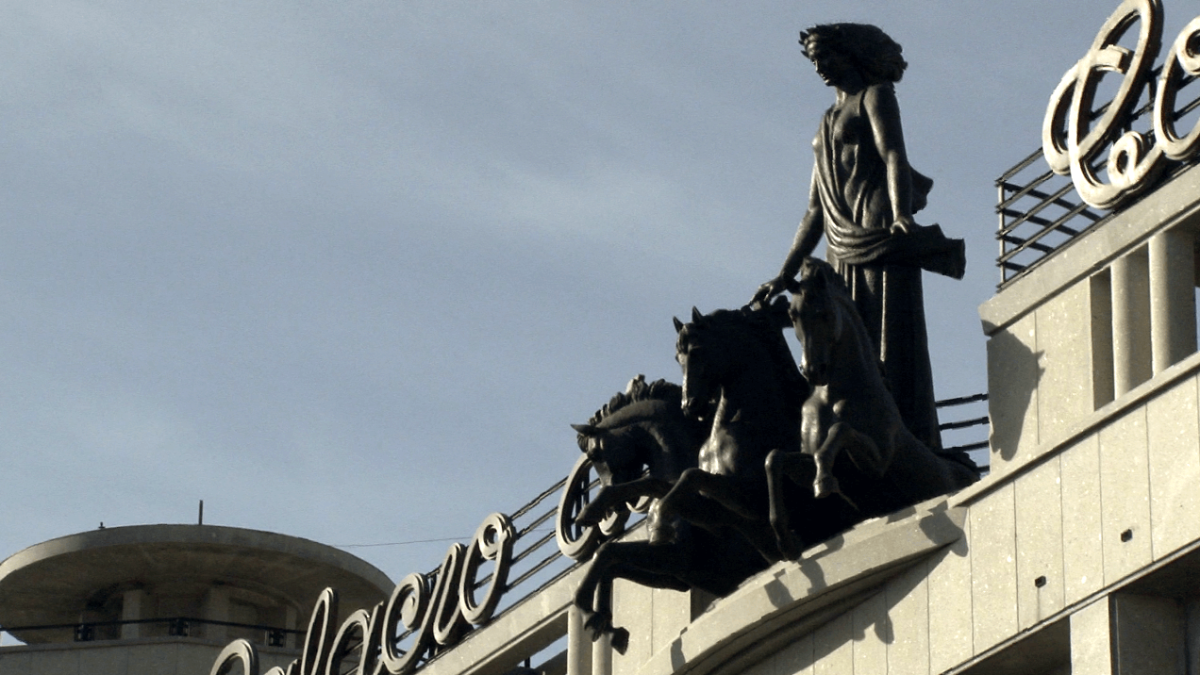
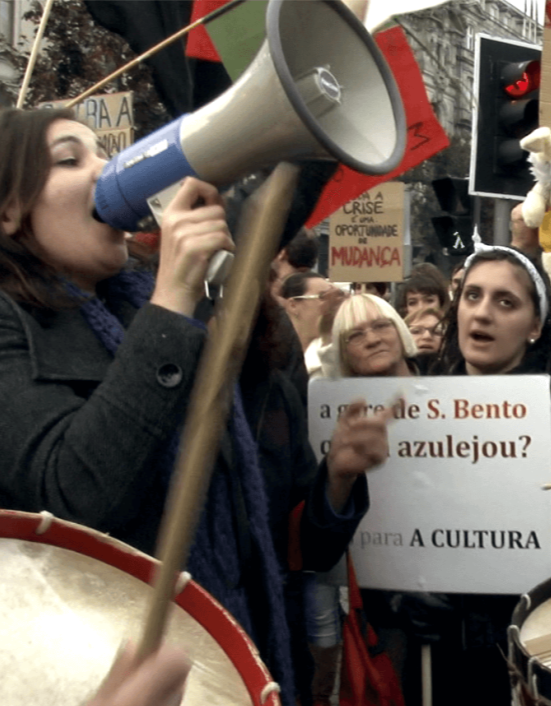
In Guimarães, Museu da Crise became part of the Educational Programme of Guimarães European Capital of Culture 2012, within the framework of Love Difference, a project initiated by Michelangelo Pistoletto aimed at fostering dialogue and expanding social and artistic methodologies. Within this institutional context, Museu da Crise positioned itself not as a celebratory contribution, but as a critical intervention into the realities of economic austerity shaping Portugal at the time.
The project investigated the ingenuity, flexibility, and collective creativity that had emerged in response to the financial crisis. Rather than treating the crisis as an abstract economic event, Museu da Crise approached it as a lived condition, examining how people were reorganising daily life through informal networks, mutual aid, and alternative economies.
Difference project that are located in seven emblematic institutions in the city of Guimarães, a questionnaire was available that addressed the effects of the current financial crisis on, and the alternative economies already existing in the daily life of the Portuguese. In addition news clippings relating to the Portuguese government’s austerity programme were available. The questionnaire could also be completed online at the museum’s website. Secondly the data generated by this questionnaire was included in a series of workshops that were being held in each institution hosting the Love Difference project; with the exception of Escola Superior Artística do Porto (ESAP).
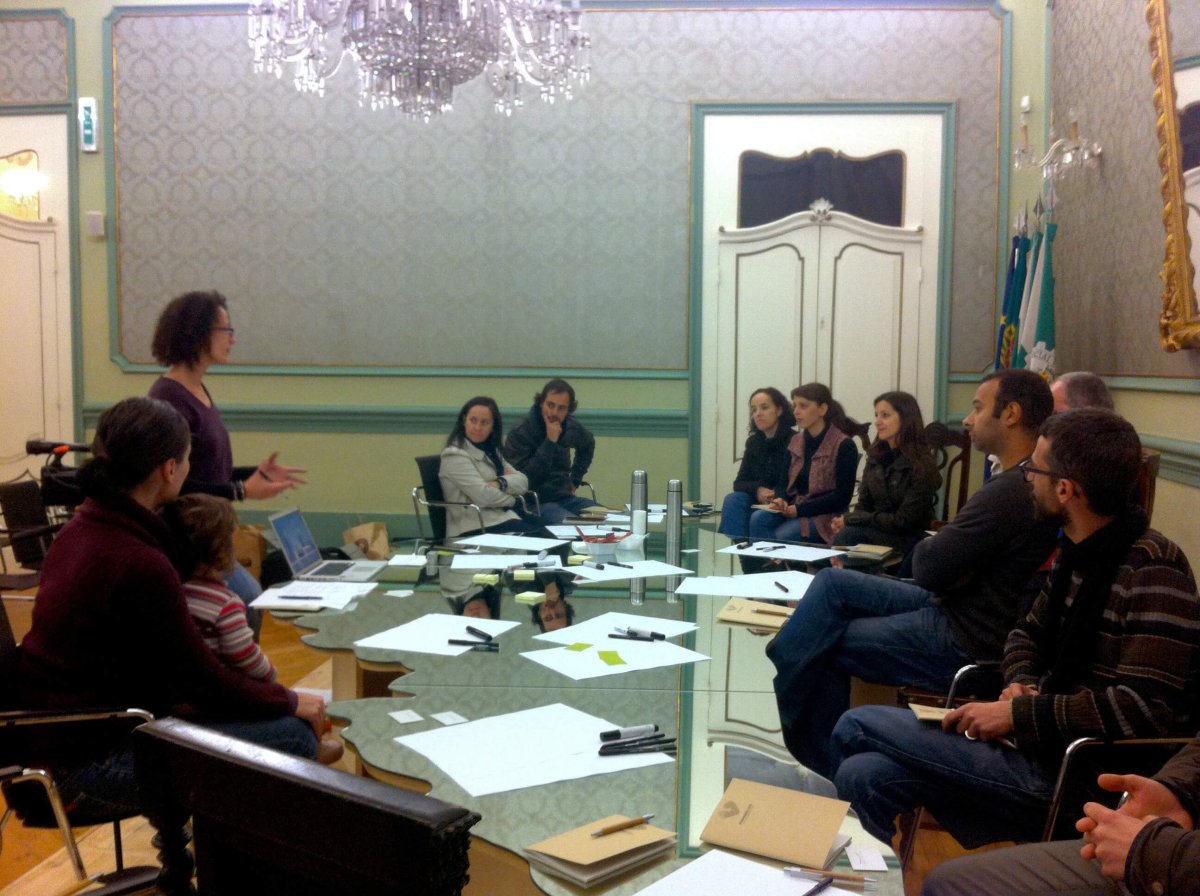
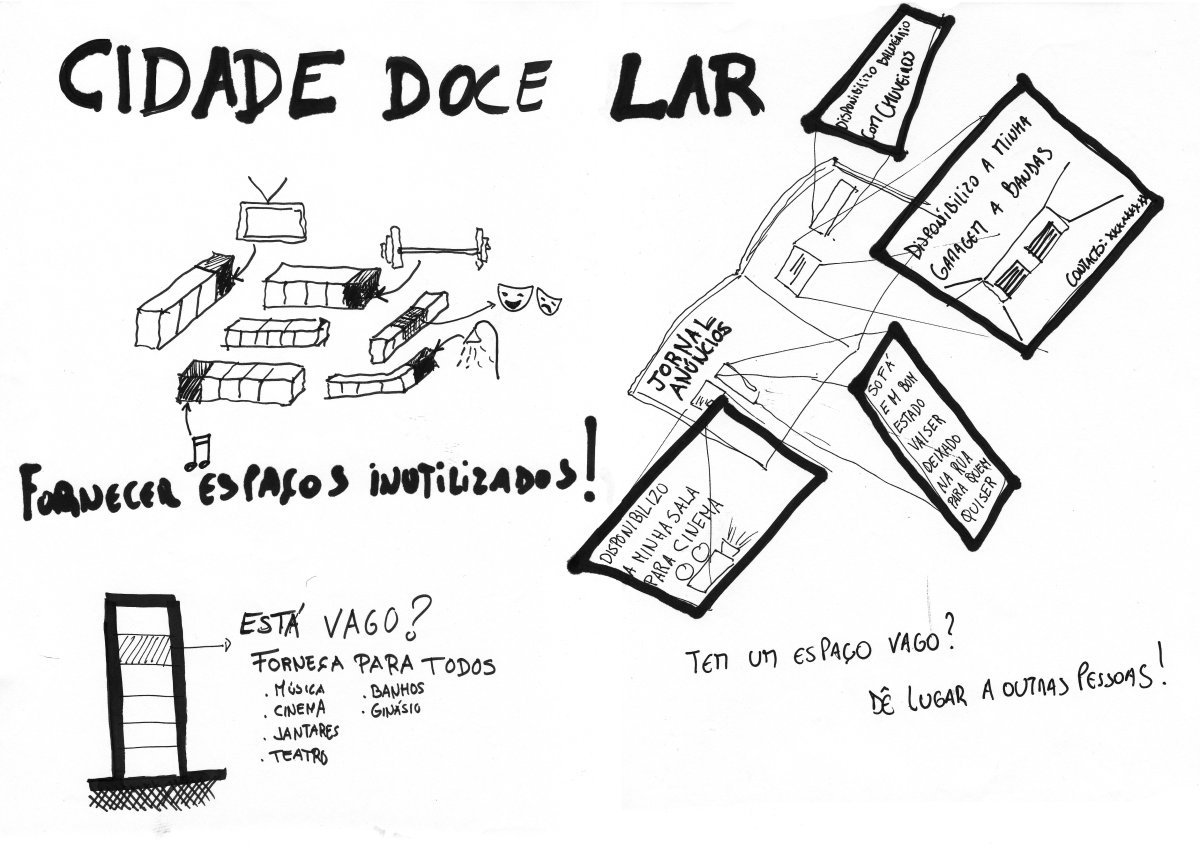
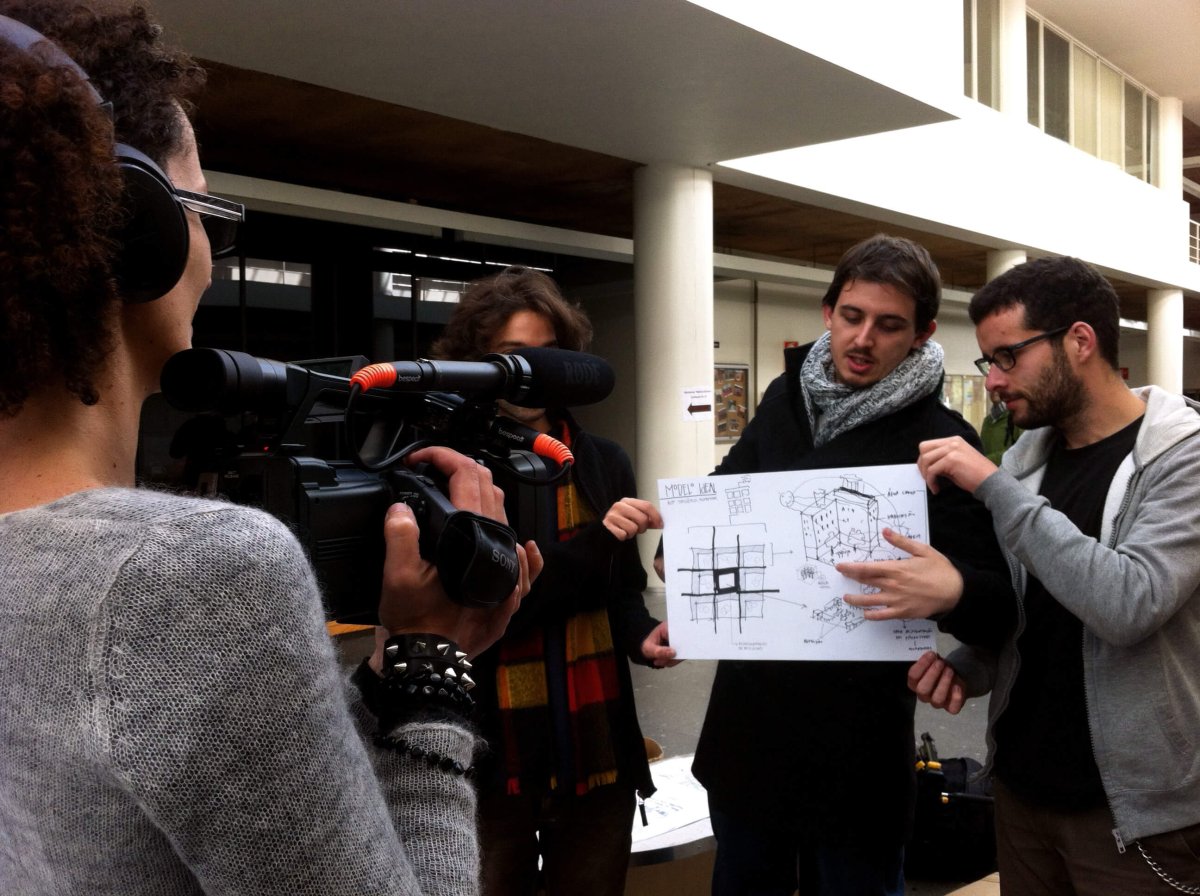
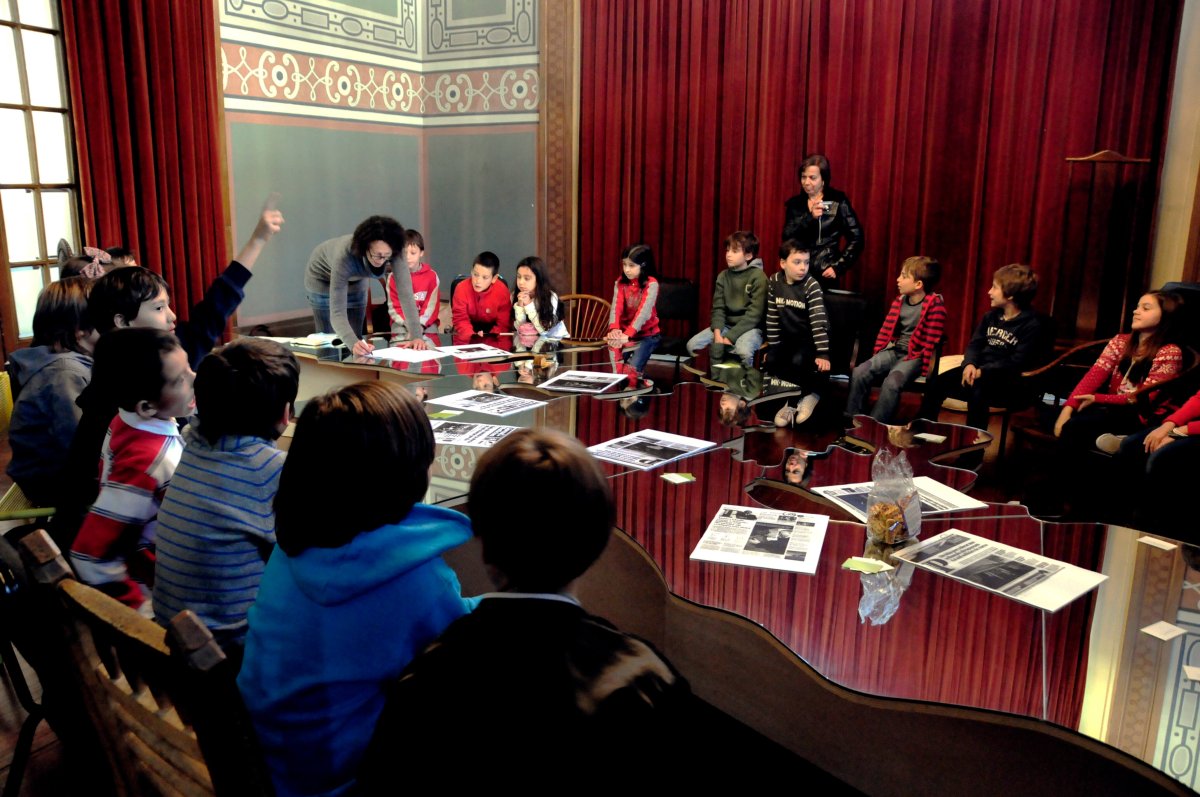

The aim of the workshops was to collect and systemise the examples of alternative economies already existing in the daily life of the Portuguese and to formulate new ones. Six distinct groups of people (emigrants, immigrants, school children, university students, lawyers and teachers) participated in the workshops and collaborated in the creation of a poster to present the collected information from the questionnaire and the workshops to the population of Guimarães. These posters were subsequently spread throughout the city and its surroundings.
And lastly the entire process was filmed and incorporated in a movie that premiered at the roundtable session organised at ESAP on December 6th that concluded this instalment of the Museu da Crise. The film is about the current crisis, the way people in general are affected by it and the motivations and objectives of Museu da Crise and also includes an interview with the architect Siza Vieira.
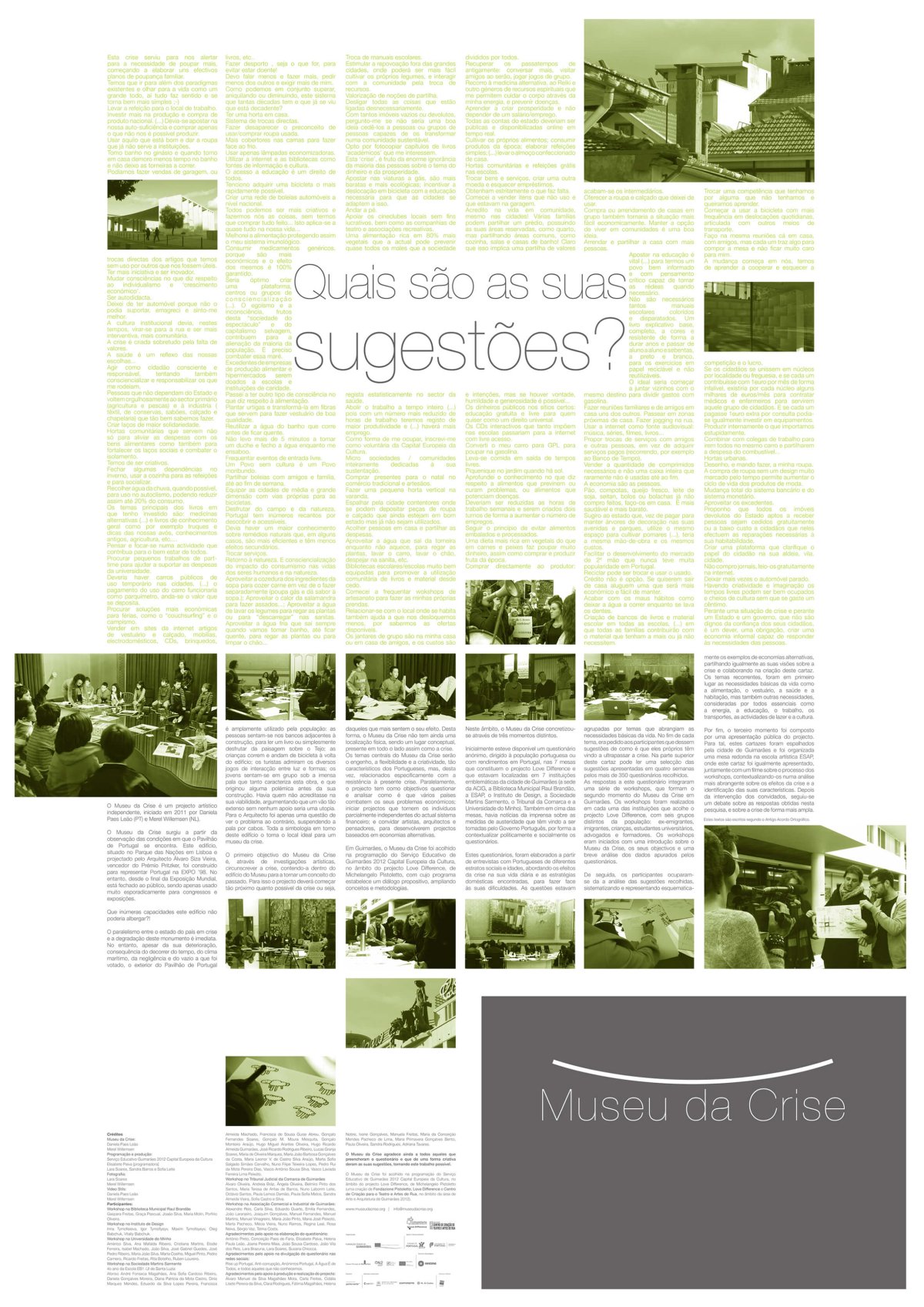
The Poster
Poster designed on the basis of all the drawings collected from the Museu da Crise workshops in which in total 87 people participated. This poster was spread all over the city of Guimarães, so the participants could all see the result and comment what their work and input led to.

The video

