Fossil Free Culture NL is an artist-led collective working at the intersection of culture, climate justice, and systemic change. Co-founded in the Netherlands by Paes Leao in response to fossil fuel sponsorship in major cultural institutions, the collective operates on a simple but urgent premise: cultural spaces are not neutral. Museums, concert halls, festivals, and art centres help shape public imagination, and therefore they shape what kinds of futures feel possible.
Fossil Free Culture NL challenges the normalisation of extractive capital within cultural life. Through artistic interventions, research, public dialogue, and coalition-building, the collective exposes how fossil fuel companies use cultural sponsorship to greenwash their reputations while continuing to expand extraction. Rather than limiting itself to critique, the collective works toward concrete institutional shifts, pushing for divestment, transparency, and ethical funding structures.
The work is grounded in collaboration, artists, performers, researchers, activists, cultural workers, and community members work together to design actions that are both aesthetically rigorous and politically strategic. Art is treated not as decoration for activism, but as infrastructure for collective agency.
Politically Engaged 2016-today
Disobedient Art Performances
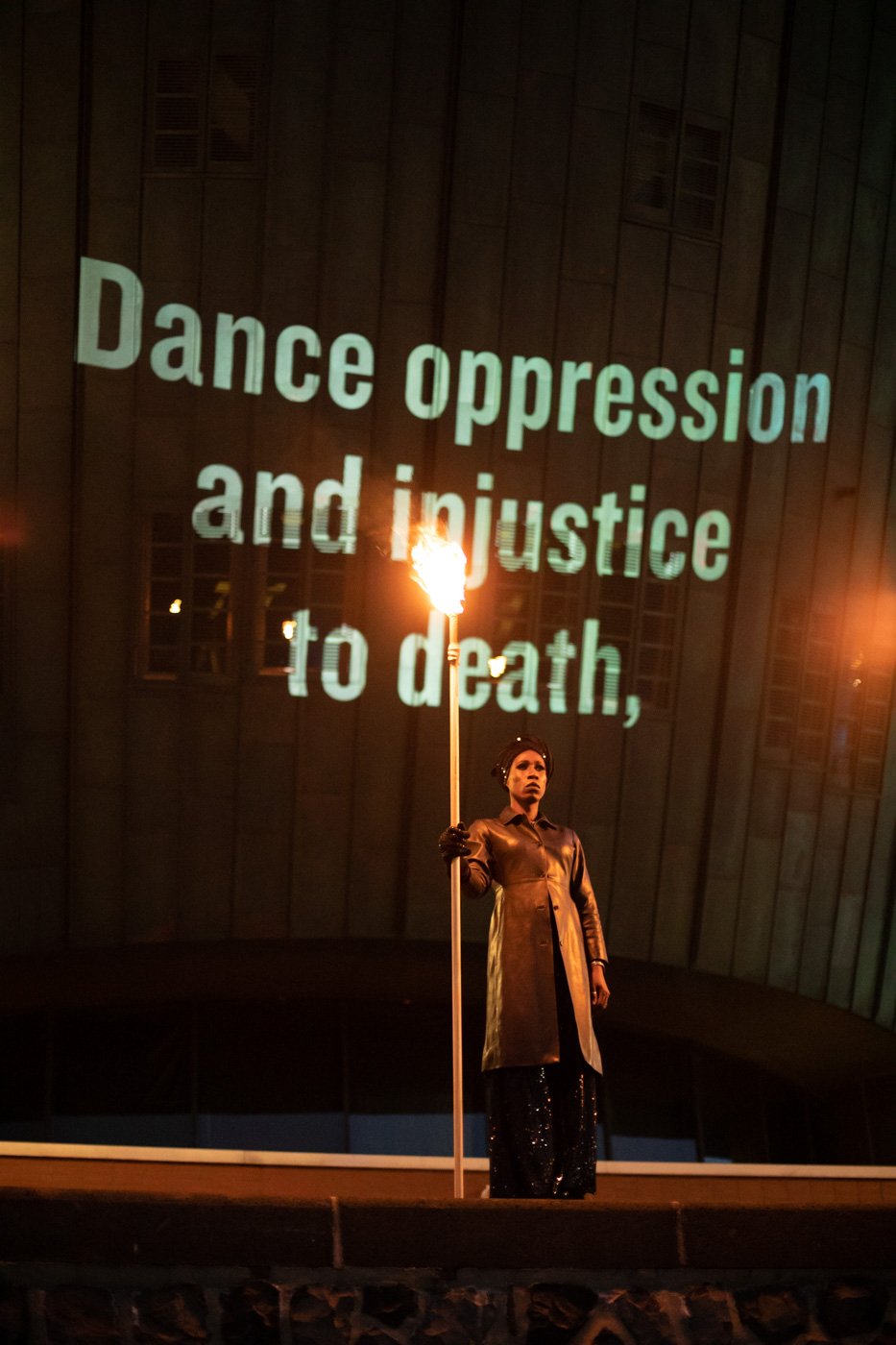
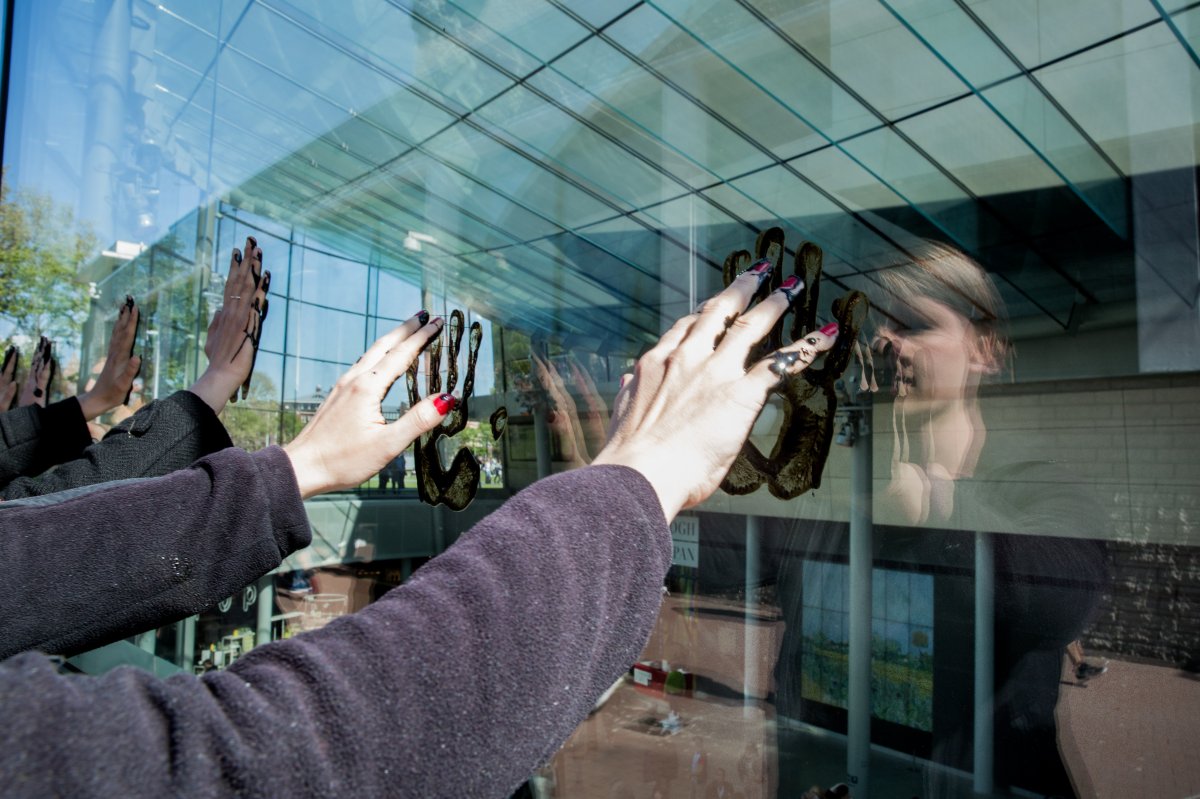
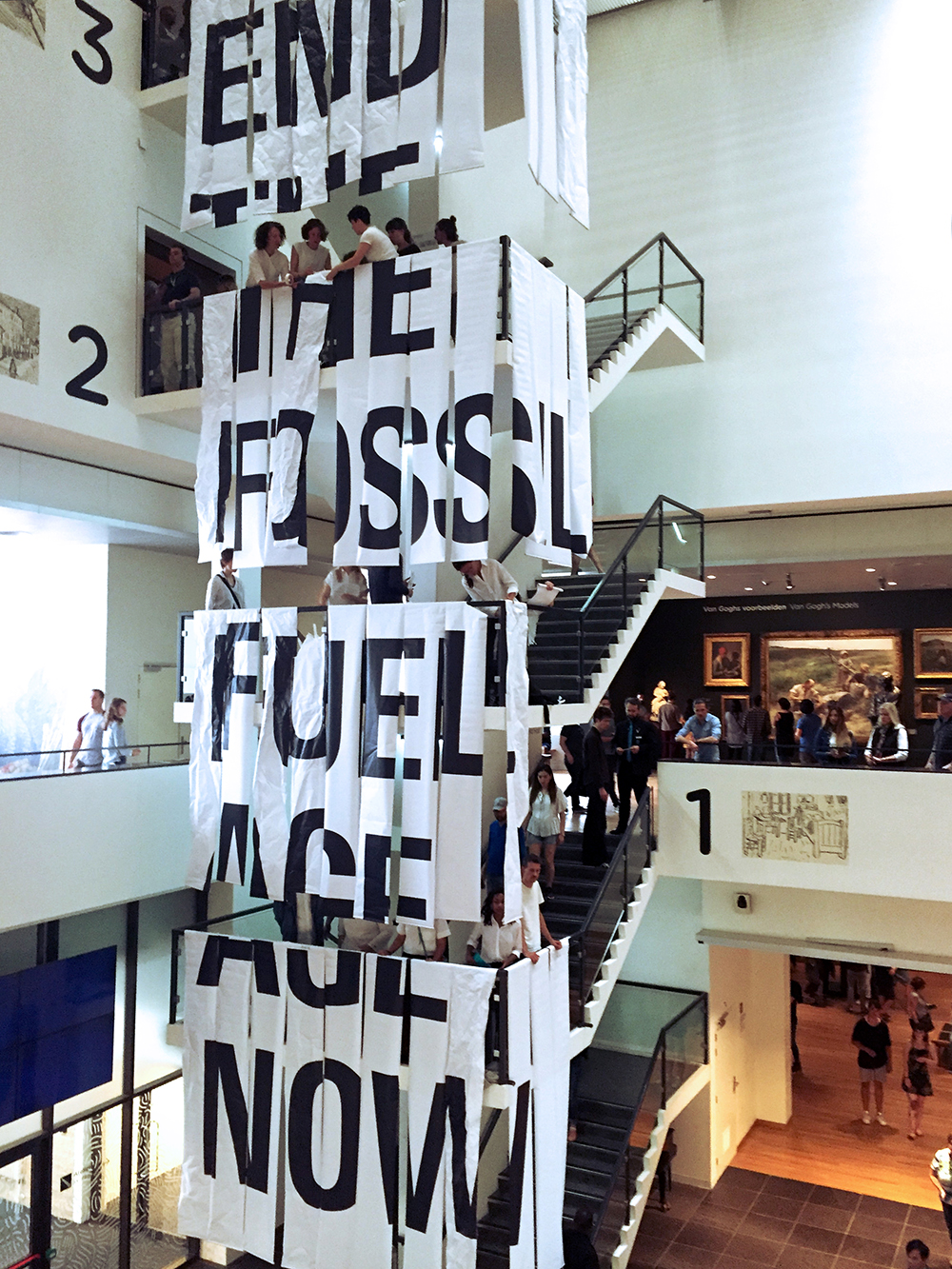
The Disobedient Art Performances are the public, visible interventions of Fossil Free Culture NL. These performances intervene directly within cultural institutions that maintain ties to fossil fuel sponsors. They unfold during openings, concerts, exhibitions, and public programmes, precisely where institutional narratives of prestige, beauty, and celebration are being produced.
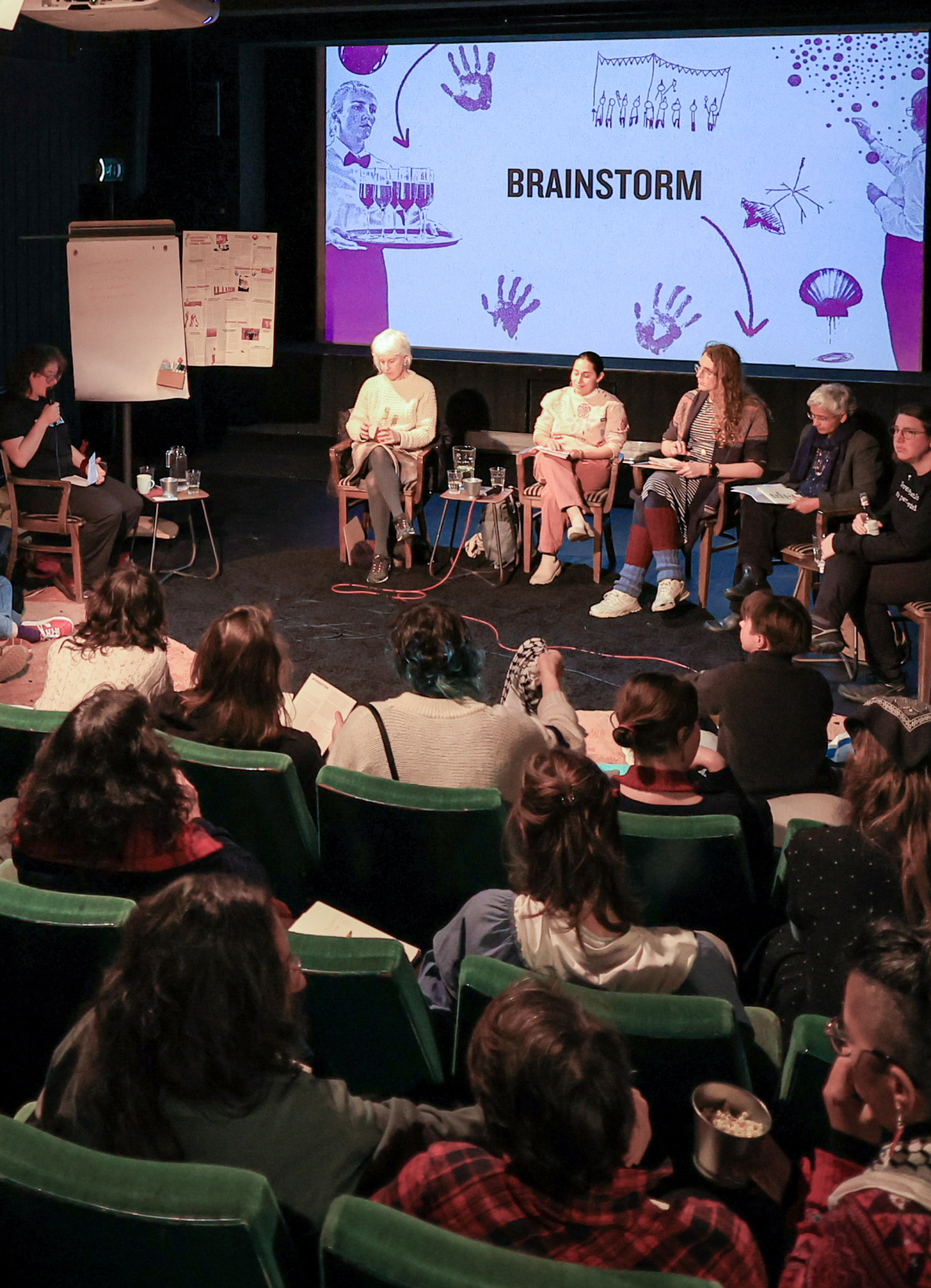
Since the founding of Fossil Free Culture NL, Paes Leão has initiated and led the conceptual development of these performances, convening and facilitating ongoing brainstorm sessions with artists and activists. Through this collaborative process, ideas are collectively shaped into concrete artistic strategies. While the performances are co-created and enacted by many, Paes Leão acts as the initiator and artistic author of the overall concepts, working in close dialogue with collaborators to translate shared political urgency into performative form.
The performances are carefully composed: choreographed movements, large-scale banners, poetic texts, sound interventions, visual disruptions, and embodied presence. They often escalate over time, beginning with subtle gestures and growing into larger collective actions. The aim is a strategic interruption of normalised relationships between culture and extraction.
These actions operate within a lineage of creative civil disobedience. They expose contradictions, invite dialogue, and insist that culture cannot claim moral authority while financed by industries driving climate breakdown. Several of these sustained artistic campaigns have contributed to museums reconsidering and, in some cases, ending their relationships with fossil fuel sponsors.
Disobedient Art School
The Disobedient Art School emerged as a pedagogical extension of the collective’s performative practice. If the performances intervene, the school rehearses. It creates spaces to think, strategise, and experiment together.
Re-initiated by Paes Leão in collaboration with David Limaverde in 2024, the Disobedient Art School translates years of artistic activism into a structured yet evolving learning environment. It is a workshop-based and research-driven platform exploring how art can function as a method of collective organisation and political imagination. The school works with artists, activists, students, and cultural practitioners who seek to develop long-term strategies rather than isolated actions.
Themes include campaign design, artistic direct action, decision-making processes, situated commoning, and ecological ethics. Drawing from both theoretical frameworks and lived experience, the school bridges analysis and practice. It builds on Paes Leão’s experience of conceiving and co-creating disobedient art performances and reflects on how such work can be sustained, reproduced, and adapted by others.
The school treats learning as a shared and embodied practice. It combines theory, personal narrative, practical exercises, and collaborative design processes. Its core principles revolve around how we know, how we relate, and how we organise. Rather than offering fixed formulas, it cultivates critical facilitation, shared responsibility, and the productive role of conflict in collective growth.
Where the performances confront institutions from the outside and inside simultaneously, the Disobedient Art School builds the capacity to sustain and expand such work over time.
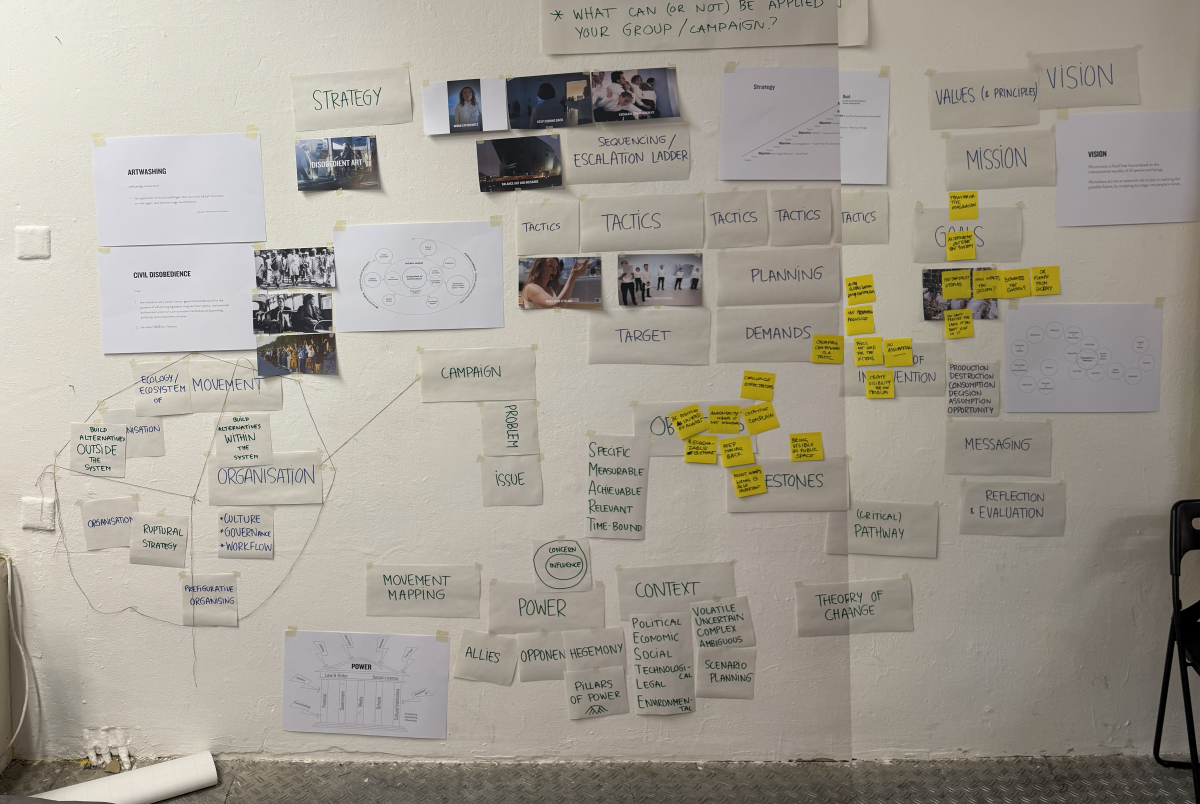
Compost for Wild Weeds
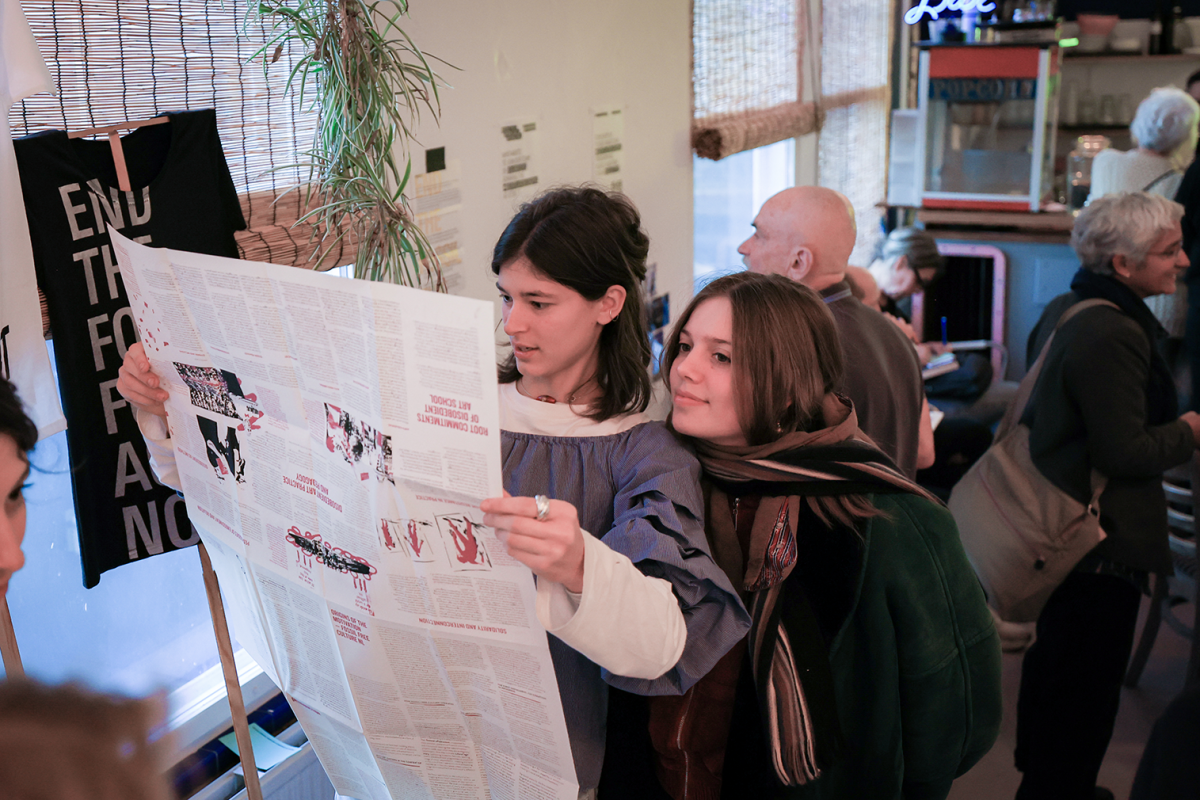
Compost for Wild Weeds is a publication and conceptual framework developed within the Disobedient Art School. It functions both as a manifesto and as a toolkit.
The title proposes an image: compost as a living, decomposing, regenerative substance; wild weeds as resilient, uninvited, persistent forms of life. The publication gathers the values, methods, and reflections developed through years of artistic activism. It articulates principles such as praxis, ecocentrism, collective care, and art as rehearsal for possible futures.
Rather than presenting a polished institutional model, Compost for Wild Weeds embraces incompleteness. It is designed as a resource to be used, annotated, questioned, and reworked. It acknowledges that movements grow in unpredictable ways and that knowledge is generated through friction as much as agreement.
In this sense, the publication is not an endpoint but fertile ground. It invites others to cultivate their own disobedient practices, to adapt the tools, to challenge institutions, and to imagine futures that are not financed by destruction.