Socially Engaged art Project 2023
A Project For Givat Ha’Matos
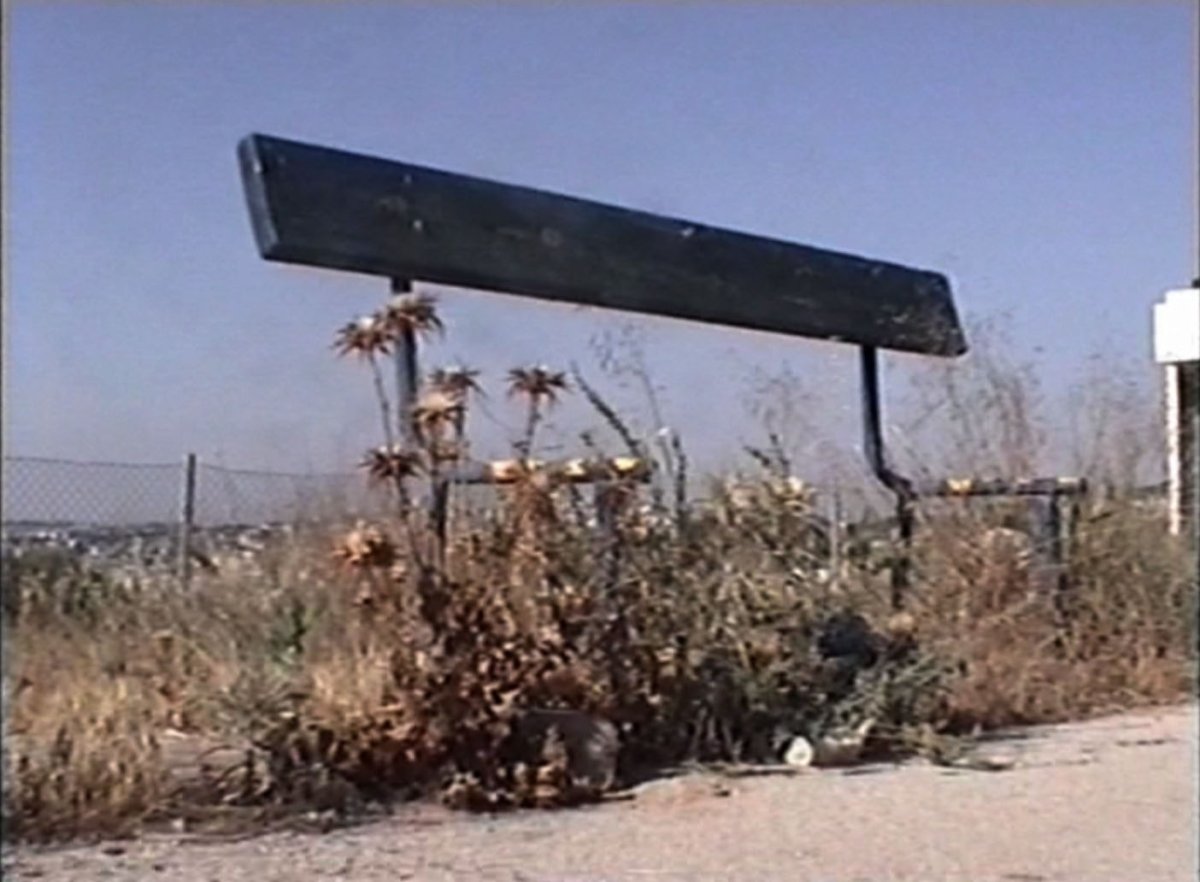
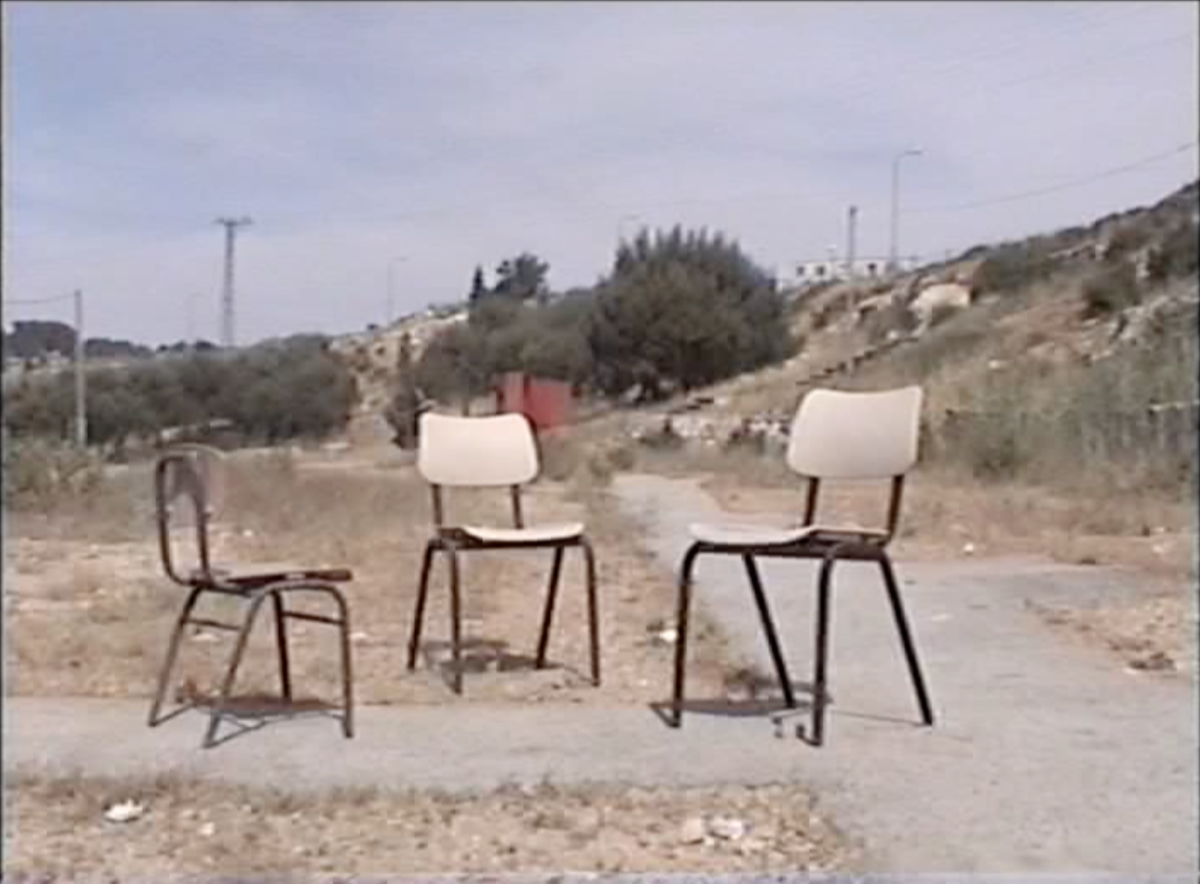
Context & Research: In 2003, Daniela Paes Leão was invited to the Arting Festival in Jerusalem, an initiative aimed at bringing art into the public sphere. She chose to focus her residency on Givat Ha’Matos, a marginalized neighborhood on the city’s outskirts. Her research revealed that the area, originally built on Palestinian land in the 1990s with Dutch government aid, consisted of large shipping containers housing Jewish immigrants from Russia and Ethiopia. By the time of her residency, the Israeli government had begun evicting residents to demolish the containers, intending to replace them with luxury housing now that the area was deemed "safe" Israeli territory. Paes Leão observed that the majority of inhabitants faced severe financial hardship and depended entirely on state support, trapping them in a cycle of vulnerability.
Medium: Video Installation, Photography, Public Intervention
Artistic Intervention: Constrained by a short one-month timeframe and the harsh realities of the neighborhood—including desertification, ongoing evictions, and a lack of public gathering spaces—the artist adopted a focused approach. She worked closely with a small group of residents to gain a deep understanding of the quarter’s social fabric. Despite the adverse conditions, she discovered a sharp division among residents regarding whether to stay or leave. The resulting work combines intimate video interviews with a photographic series documenting how residents reclaimed their temporary containers. The images reveal ingenious adaptations: home extensions, gardens with artificial turf, and blue-painted water tanks repurposed as swimming pools. Additionally, Paes Leão distributed cameras to residents, allowing them to document their own routes and daily lives across different families, shifting the perspective from observer to participant.
Presentation & Impact: The project concluded with a two-day public presentation designed to bridge the gap between the marginalized neighborhood and the wider city:
- Day 1 (Jerusalem Center): A 20-minute film featuring resident interviews was projected in central Jerusalem. Residents were present to speak directly to the audience, many of whom were unaware of the reality in Givat Ha’Matos. This dialogue served as a crucial act of visibility.
- Day 2 (On Site): The audience was invited to visit Givat Ha’Matos for the second part of the exhibition. A selection of 80 photographs highlighted the residents' resilience in reinventing living space under duress. A second film documented the artist’s experience within the community, exposing the invisible support networks that sustain the neighborhood. Crucially, the work critiqued the Israeli government’s strategy of territorial occupation through "social immobility"—keeping populations trapped in limbo to solidify political claims.
The project ends with a resonant quote from a resident: “It is the Israeli governmental strategy to keep people immobile.”
The Video
A Project for Givat Ha'Matos - ST – MiniDV – 4:3 / 23’00” ENG

